
Should You Clean, Reseal, or Repair Your Paver Driveway?
By 911 Property Services LLC
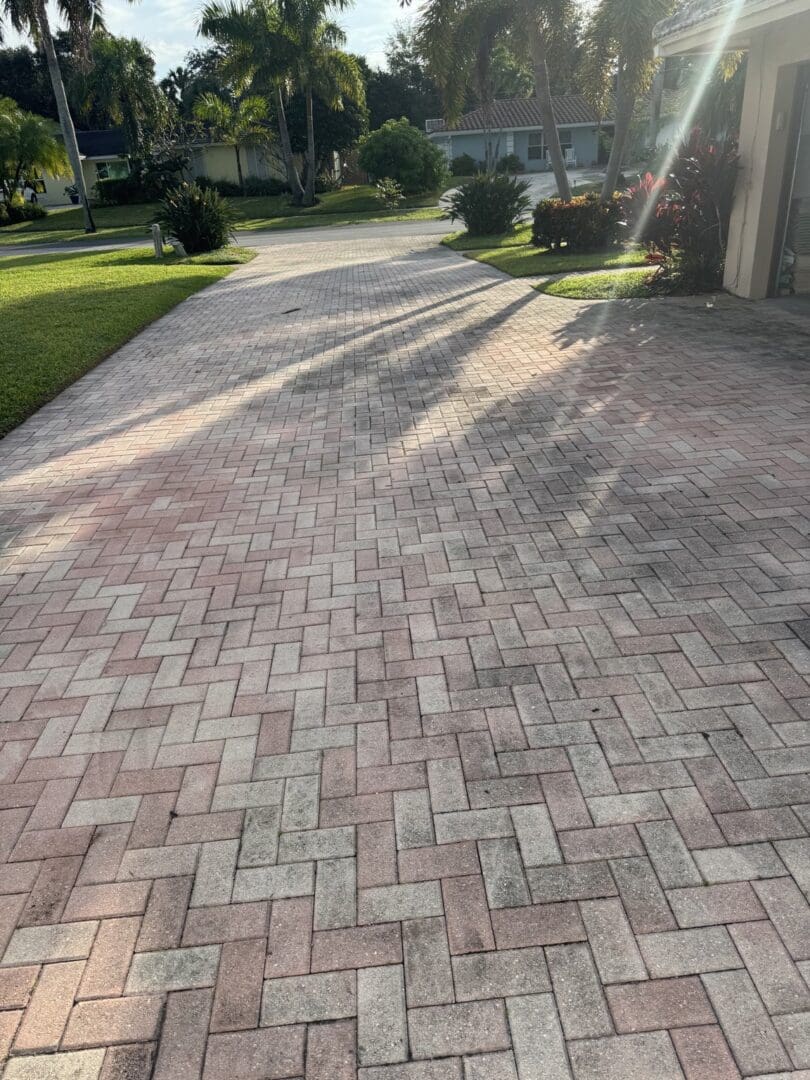
Your driveway used to look even from the garage to the street. Now the shaded edge is dark, the tire paths look dull, and a few pavers have a cloudy finish. Should you book a cleaning, apply another coat of sealer, or fix the pavers first?
Start with the condition of the driveway. Dirt and surface growth can call for cleaning alone. A worn, compatible finish can be a candidate for resealing. Loose pavers, standing water, or a failing coating call for a closer look before new sealer goes down.
When cleaning may be enough
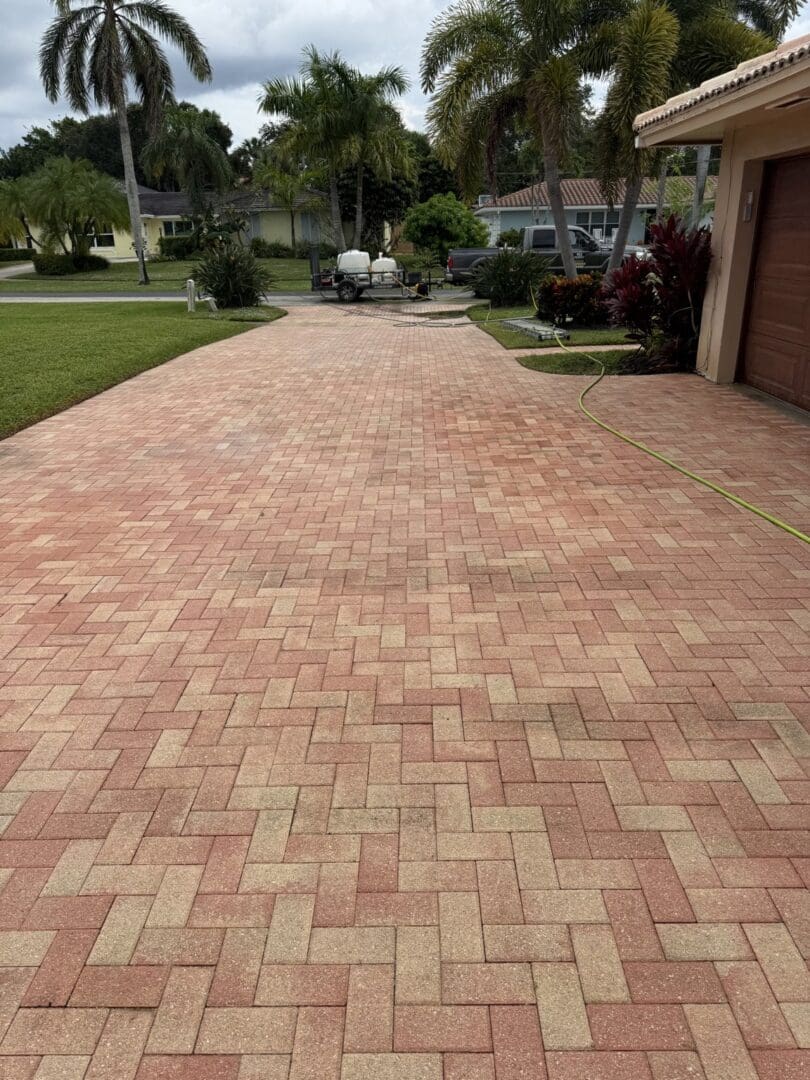
If the pavers are stable and the main concern is surface dirt, tire marks, or dark growth near sprinklers and shaded edges, start by asking about professional cleaning. Tell the crew whether the driveway was sealed before and what stains you’ve noticed. Oil and rust may call for separate treatment, and some marks can remain after cleaning.
Look at the result once the surface is dry. Wet pavers can look richer and more uniform. The dry surface gives you a better basis for deciding whether you want a different finish or any additional work.
When resealing makes sense
Consider resealing if the pavers are sound, the existing finish has weathered, and you want the appearance or surface protection a compatible sealer can provide. Ask what finish to expect. A natural-looking finish and a color-enhancing finish can look quite different on the same paver. If the appearance matters, ask for a test area.
An estimate should explain the cleaning and preparation, whether joint sand needs attention, which product and finish are proposed, and when you can walk or drive on the surface again. Ask about pedestrian and vehicle access separately. Product instructions and weather help determine when each is appropriate.
When to deal with the old coating or repair the pavers first
White haze, peeling, or sticky patches deserve an assessment before another coat goes on. Tell the estimator when the driveway was last sealed and share the product name if you have it. Existing coating problems may require additional preparation or removal before the driveway can be resealed.
Walk the driveway and point out pavers that rock underfoot, low spots that collect water, and edges that have shifted. Those conditions may call for repair before sealing. Worn joint sand is also worth noting. Ask what the estimate includes for the joints and how the crew plans to handle any areas where water tends to collect.
What to send when you ask for an estimate
Send one photo of the full driveway and close-ups of the worst spots. Include any information you have about the last cleaning or sealing, the finish you prefer, and when you need driveway access. For a seasonal home, share your arrival date so the work can be planned around it.
See our guide to paver, brick, and concrete sealing for more on treatment options for driveways, patios, and pool decks.
Need help deciding what your driveway needs? Contact 911 Property Services for an assessment in Palm Beach or Martin County.
